Review: Bunny Name Sign SVG for Embroidery
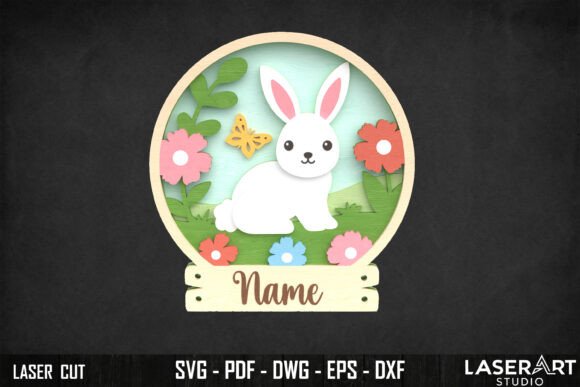
As a designer who spends half my life digitizing and the other half stitching, I have learned to look past the glossy preview images. When I first opened the Bunny Name Sign - Layered SVG for Kids, my initial reaction was one of cautious optimism. The silhouette is clean, the curves are smooth, and the layering suggests a depth that usually translates well into texture. However, knowing that this asset is primarily marketed as a Wall Decor piece for Laser Cutting means we need to translate its intent from rigid material removal to flexible thread deposition. This distinction is critical for anyone planning to use this file in real-world embroidery projects.
First Impressions and Design Personality
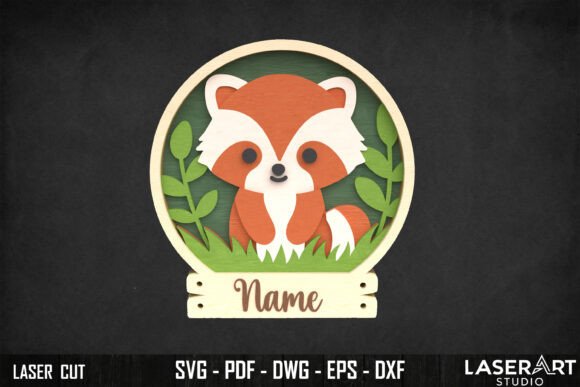
The mood of this design is undeniably soft and playful. It captures that specific niche of nursery aesthetics where whimsy meets modern minimalism. For an embroidery designer, the immediate question is always about stitch flow. Since this is a layered SVG, the visual separation between the bunny shape and the name integration is clear. In a laser-cut context, these are separate physical pieces. In embroidery, they become zones of different stitch types or colors. The layout feels balanced, with enough negative space to prevent the design from looking like a dense blob of thread once stitched out. This visual personality fits naturally into baby items, personalized gifts, and boutique children’s apparel.
Real-World Application: The Custom Tote Bag Test
To truly evaluate the Bunny Name Sign - Layered SVG for Kids, I mentally placed it on a canvas tote bag, a staple for any Etsy seller or craft business owner. Imagine a neutral, oatmeal-colored cotton canvas. The bunny shape would serve as the primary anchor, likely requiring a fill stitch to create solid coverage. The name, integrated within or alongside the bunny, would need careful handling. If the name is small, satin stitch might be too bulky, while running stitch could get lost in the fabric texture.
In this scenario, the design performs best when treated as an applique. Using the SVG layers as cut lines for fabric applique reduces stitch count and prevents the "cardboard effect" often seen in large filled designs. This approach makes the finished product softer, more durable, and significantly faster to produce. For a small shop product, speed and quality are equally vital. The clean lines of the bunny ensure that even if the applique fabric shifts slightly during trimming, the overall shape remains recognizable and charming.
Navigating Fabric and Hoop Constraints
While the design is versatile, it is not without its challenges. Where should you use caution? First, consider the hoop size. If you are working with a 4x4 inch hoop, you may need to scale the design down significantly. This compression can cause tiny details in the name or the bunny’s features to merge. Stitch density becomes a major factor here. On stretchy fabrics like jersey for a sweatshirt embroidery project, high-density fills can cause puckering. You must adjust your stabilizer strategy accordingly, perhaps using a cut-away stabilizer for garments that will undergo frequent washing.
Textured fabrics also pose a risk. If you are stitching this onto a waffle-knit towel or a fuzzy fleece blanket, fine details may disappear. The Bunny Name Sign - Layered SVG for Kids relies on clear silhouettes. On high-pile fabrics, the edges of the bunny might blur. In such cases, increasing the contrast between the thread colors and the fabric background is essential. A dark thread on a light fabric, or vice versa, helps maintain the design’s integrity. Always test the design on scrap fabric first to gauge how the machine handles the transitions between the bunny shape and the text elements.
Commercial Viability and Brand Consistency
For commercial embroidery professionals and digital product sellers, the value of this design lies in its adaptability. It is not just a cute image; it is a template for personalization. Customers love seeing their child’s name integrated into a beloved character. This emotional connection drives buyer engagement and increases the perceived value of the handmade product. However, professionalism is key. A poorly stitched name can ruin the entire aesthetic.
When creating printable mockups or digital previews for your online store, ensure that the representation matches the final output. If you are selling this as a digital embroidery file after converting or adapting it, be transparent about the required adjustments. If you are selling the physical item, highlight the quality of the stitching in your photos. Close-ups of the satin edges or the clean fill stitches build customer trust. Consistency in your brand presentation—using similar color palettes and styling across your listings—helps establish recognition among repeat buyers.
Practical Designer Notes for Execution
Before you load this design into your machine, take a moment to review the technical specifics. Since the package includes SVG, DXF, EPS, PDF, and DWG formats, you have flexibility in how you prepare the file. However, these are vector formats intended for cutting. To use them for embroidery, you will need to import them into your digitizing software or use a converter if you are not digitizing from scratch.
- Check Thread Color Contrast: Ensure the bunny and the name stand out against each other and the fabric.
- Review Stitch Density: Lower the density for large fill areas to prevent stiffness and puckering.
- Confirm Hoop Size: Make sure the scaled design fits comfortably within your hoop with room for stabilization.
- Inspect Small Details: Zoom in on the name integration. Are the letters too close to the bunny’s edge? Adjust spacing if necessary.
- Test on Scrap Fabric: Always run a test stitch-out to check for registration issues or thread breaks.
- Verify Licensing: Since this is a multi-format file, confirm whether the license allows for commercial use of finished physical items or if it is restricted to personal use. This is crucial for Etsy sellers and boutique owners.
The Bunny Name Sign - Layered SVG for Kids is a strong candidate for spring collections, Easter gifts, and year-round nursery decor. It bridges the gap between digital precision and handmade warmth. By understanding its origins as a laser-cut file and adapting it thoughtfully for embroidery, you can create products that are not only visually appealing but also durable and professionally finished. Whether you are decorating a tote bag design for a local market or creating a custom embroidered patch for a client, this design offers a solid foundation for creative exploration. Just remember that the magic lies not in the file itself, but in how you translate its lines into thread.