Reviewing Halloween Party Craft Box for Embroidery
As a designer who spends half my life digitizing and the other half stitching, I approach every new machine embroidery design with a mix of curiosity and skepticism. We have all been there: you download a file that looks pristine on the screen, only to find it turns into a tangled mess of thread breaks and puckering on the fabric. When I first opened the Halloween Party Craft Box, I was not just looking at pretty pixels; I was evaluating its potential as a viable asset for my craft business and client projects.
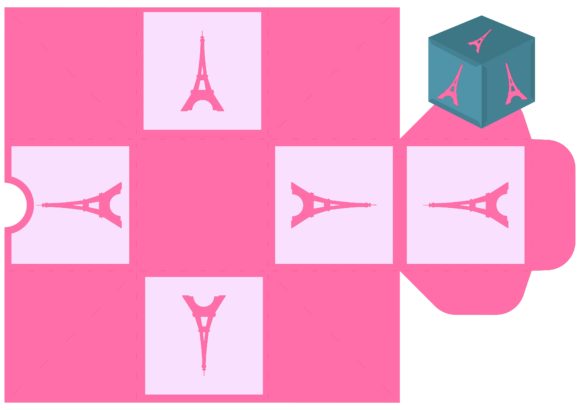
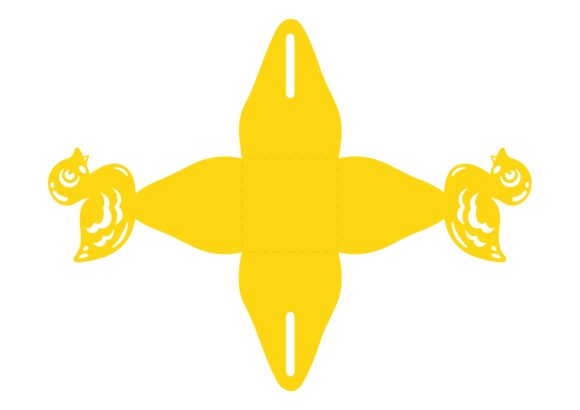
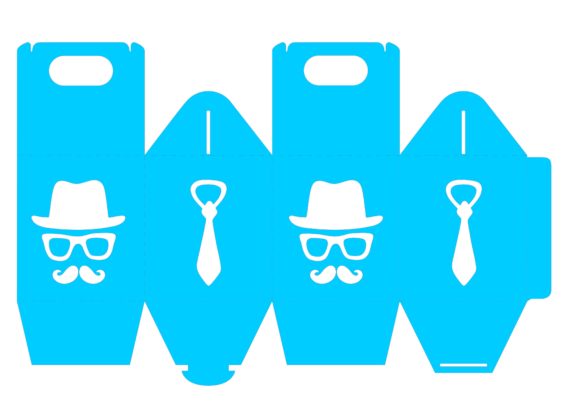
The initial impression is striking. This is not your typical flat, two-dimensional clip art. The design leans heavily into the Shapes category, utilizing bold geometry to create depth. What caught my eye immediately was the promise of a 3D SVG structure. In the world of digital cut files, this usually means layered elements that can be stacked for physical dimension. For us embroiderers, this translates to a design that demands attention to layering, whether through actual applique or clever stitch placement. The mood is playful yet sophisticated, avoiding the cheap, cartoonish traps that many holiday designs fall into. It feels like something a boutique owner would proudly display, not just a last-minute clearance item.
Real-World Application: The Tote Bag Test
To truly understand the value of an embroidery file, you have to imagine it on a product. I envisioned this design on a heavy-duty canvas tote bag, a staple for any Etsy seller during the autumn season. The bold lines of the Halloween Party Craft Box suggest it would hold up well against the coarse texture of canvas. Unlike delicate floral patterns that can get lost in the weave of rough fabric, this design’s strong structural elements would remain crisp and visible.
I pictured using an applique design technique here. By cutting felt or cotton fabric in the shapes provided by the SVG layers and securing them with a tight satin stitch, you could achieve that promised 3D effect without relying solely on dense thread coverage. This approach reduces stitch count, saves time, and adds tactile interest. For a personalized gift, adding a monogram in a contrasting thread color beneath the main motif would elevate it from a generic holiday item to a bespoke keepsake. Customers love that touch of exclusivity, and it justifies a higher price point for your handmade product.
Performance Across Different Garments
Versatility is key for any digital embroidery file intended for commercial use. I considered how this design would translate to custom apparel. On a fleece sweatshirt, the design would need careful handling. Fleece is plush and can swallow small details. However, since the Halloween Party Craft Box relies on larger shapes rather than intricate micro-details, it should perform admirably. I would recommend using a cut-away stabilizer to prevent the weight of the stitches from distorting the stretchy fabric over time.
For baby embroidery, such as a onesie or a soft blanket, the approach changes. You must prioritize comfort. Here, I would avoid heavy fill stitches that might feel scratchy against sensitive skin. Instead, I would look at the line work. If the design allows, converting some filled areas to running stitches or light zig-zags can maintain the visual impact while keeping the hand-feel soft. Always test on scrap fabric first. What looks good on a monitor might feel like sandpaper on a baby’s chest.
When it comes to embroidered patch creation, this design shines. Patches require durable, dense stitching to withstand washing and wear. The geometric nature of the 3D SVG elements provides clear boundaries for satin stitches, creating clean edges that define the shape sharply. A patch featuring this design could be sold as a standalone accessory or used to brand merchandise for a small shop, enhancing brand consistency across different product lines.
Navigating Technical Challenges
No design is without its pitfalls, and honest review requires addressing where caution is needed. The complexity of a 3D-inspired design means you must pay close attention to stitch density. If the original file is intended for cutting machines like Cricut or Silhouette, it may not be optimized for embroidery out of the box. You might need to adjust the density manually to prevent bird-nesting or thread breaks, especially in corners where multiple shapes intersect.
Small hoop sizes present another challenge. If you are working with a 4x4 inch hoop, you may need to simplify the design or split it into parts. The Halloween Party Craft Box likely has enough detail that shrinking it too much could cause the stitches to merge, losing the definition that makes the design appealing. Always check the recommended hoop size before starting. If the provider does not specify this, measure the bounding box of the SVG and compare it to your machine’s capabilities.
Fabric choice also dictates success. On dark fabrics, thread color contrast becomes critical. A black thread on a navy shirt will vanish. Use your thread colors wisely to ensure the design pops. Conversely, on light fabrics, ensure your backing stabilizer is not visible through sparse stitch areas. A tear-away stabilizer might leave residue or show through if the stitch density is low, so a mesh or cut-away option might be safer for a professional finish.
Commercial Value and Branding
For craft business owners, the aesthetic appeal of a design directly impacts buyer engagement. The Halloween Party Craft Box offers a modern take on holiday themes, which stands out in a saturated market. It fits seamlessly into a printable mockup for online listings, allowing customers to visualize the final product. High-quality previews build trust and reduce hesitation at checkout.
Moreover, using cohesive design assets like this helps establish a recognizable brand style. If your shop specializes in modern, geometric holiday decor, this design reinforces that identity. It signals professionalism and attention to detail. When customers receive a finished product that looks polished and well-executed, they are more likely to leave positive reviews and return for future purchases. This cycle of trust and quality is what sustains a small business in the long run.
Final Designer Notes
Before committing to a large production run, always conduct a thorough test. Stitch out the design on the same type of fabric you intend to sell. Check for pull-outs, gaps, or excessive trimming needs. Verify the license terms provided with the SVG File, PNG Digital File, and JPG Digital File. Ensure you have the right to use the design for commercial purposes if you plan to sell the stitched items. While the package includes formats for various cutting machines, remember that embroidery requires specific digitizing. If the file is not already digitized for embroidery, you will need to convert it carefully, respecting the original artistic intent.
In summary, the Halloween Party Craft Box is a promising asset for designers who value structure and modern aesthetics. With proper technical adjustment and thoughtful fabric selection, it can elevate your holiday embroidery offerings, turning simple materials into desirable, high-value goods. It is a tool that, when used with skill and care, can significantly enhance your portfolio and delight your customers.